
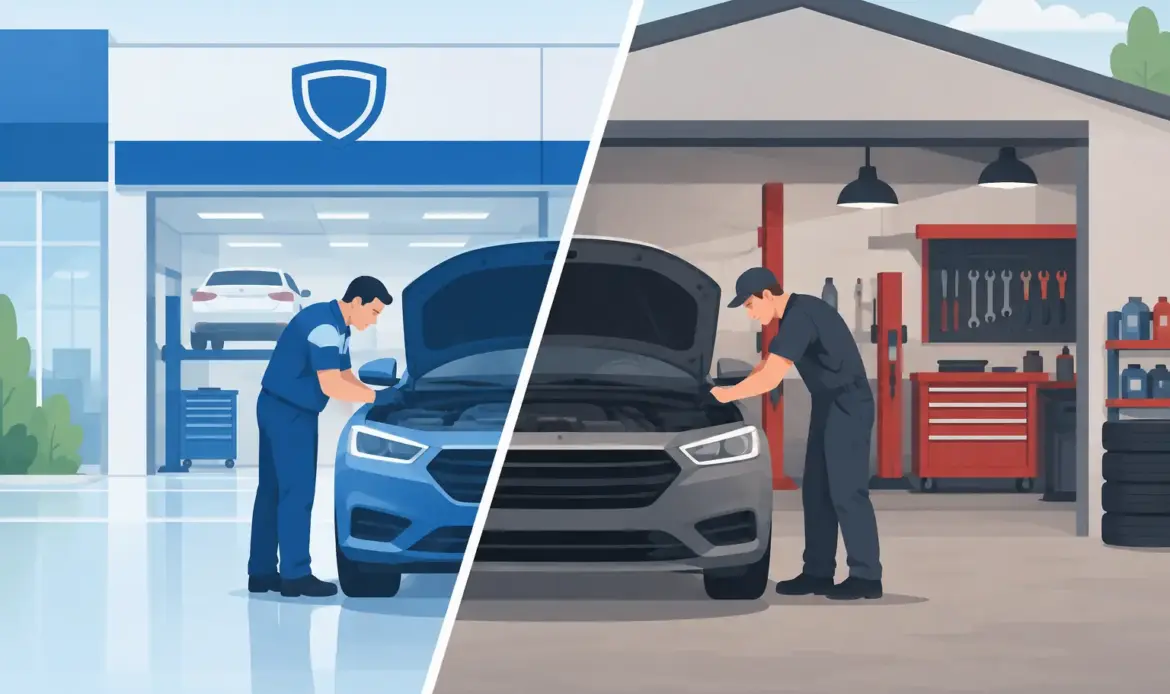
A cracked phone screen before work, a laptop that will not charge before a deadline, or a game console that quits on a weekend can turn one small failure into a full-blown emergency. When comparing authorized versus independent repair shops, the best choice is not always the one with the biggest logo on the door. It is the shop that can diagnose the real problem, protect your device and data, and get your tech back in action without unnecessary delays or costs.
What an authorized repair shop does
An authorized repair shop has an official relationship with a device manufacturer. Depending on the brand and repair type, that relationship may allow the shop to perform warranty repairs, use manufacturer-supplied parts, access repair documentation, or run brand-specific diagnostic tools.
For some customers, authorization is the clear path. If your phone, tablet, computer, or console is still under a manufacturer warranty, an authorized provider may be required for covered service. This can be especially helpful when the issue is a confirmed factory defect rather than accidental damage. You may pay little or nothing if the repair qualifies.
Authorization can also bring peace of mind when you want a repair that follows a manufacturer’s exact process. A newer device with a complicated display assembly, biometric sensor, or software pairing requirement may benefit from that direct support.
There are trade-offs. Authorized locations can have narrower service menus, longer wait times, appointment requirements, or rules that steer customers toward full-device replacement instead of repair. If your issue falls outside warranty coverage, the price can also be higher than expected. A liquid-damaged phone, for example, may be labeled nonrepairable even when a skilled technician could isolate and repair the affected component.
What independent repair shops bring to the rescue
Independent repair shops are local businesses that repair devices without being tied to one manufacturer’s service network. The right independent shop can work across brands and device types, from smartphones and tablets to laptops, desktops, and gaming consoles.
That broader focus matters when your household runs on more than one kind of technology. You should not need one place for a phone battery, another for a laptop charging issue, and a third for a console HDMI port. A capable independent technician can assess the device in front of them rather than treating every problem as a standard replacement case.
Independent shops are often a strong choice for out-of-warranty repairs, accidental damage, and older devices that manufacturers no longer support. They may offer more repair options, including high-quality aftermarket parts when appropriate, refurbished parts in certain situations, or component-level work that keeps a device alive without replacing an entire board.
That flexibility can save money, but it also makes your choice of shop more important. Not every independent repair business has the same parts standards, technician training, tools, or warranty practices. Ask direct questions. A trustworthy shop will explain what failed, what part is being used, what the repair costs, and what happens if the issue returns.
Authorized versus independent repair shops: the real differences
The decision usually comes down to warranty status, repair complexity, urgency, budget, and the condition of the device. Neither route wins every time.
Warranty and manufacturer coverage
Start here. If your device is under an active manufacturer warranty or protection plan, contact the manufacturer or an authorized provider before authorizing outside work. An eligible covered repair may cost far less than paying out of pocket.
However, warranty coverage has limits. Cracked screens, water damage, bent frames, and everyday wear may not qualify. If the manufacturer offers only a costly replacement or refuses to service an older model, an independent repair shop may give you a more practical option.
Be aware that the impact of third-party repair on warranty coverage can vary by manufacturer, device, and repair. A professional shop should be honest about those possibilities before work begins.
Parts quality and repair standards
“Part quality” is not a simple authorized-versus-independent question. Authorized providers may have access to manufacturer components, while independent shops may use premium aftermarket, original-equipment pulled, refurbished, or other replacement parts depending on the device and customer preference.
The key is transparency. For a screen repair, ask whether the replacement will preserve features you rely on, such as brightness, touch responsiveness, color quality, fingerprint recognition, or high refresh rates. For batteries, ask about quality controls and warranty coverage. The cheapest quote is not always the best rescue plan if it means weak performance or a short-lived repair.
A quality-focused independent shop will explain the difference between available part options in plain English. You deserve to know what is going into the device you use for work, school, family photos, banking, and everything else.
Speed and convenience
When your device is your alarm clock, wallet, map, office, and connection to family, waiting a week can feel impossible. Independent shops often have an advantage in speed because they can diagnose and repair many common problems locally, sometimes the same day depending on parts availability and damage severity.
Authorized repair paths may involve appointments, shipping, centralized service centers, or wait times for approval. That does not make them a bad choice, especially for warranty work. But it can be frustrating when you need a working device now.
For urgent failures, ask a shop for a realistic turnaround estimate rather than assuming every repair is instant. A cracked screen may be straightforward. Water damage, board failure, and micro-soldering work need careful diagnosis. Fast is valuable, but precision is what prevents a second emergency.
Repair depth
This is where the gap can be significant. Some authorized providers follow a replacement-based process: if a board, charging circuit, or other major assembly fails, replacement may be the only approved solution. That approach can be efficient for the provider, but it may be expensive for you.
An experienced independent technician may be able to perform component-level repair, often called micro-soldering. This work can address damaged charging ports, broken connectors, HDMI failures, power issues, and board-level faults that cannot be fixed with a simple part swap.
Micro-soldering is specialized work, not a shortcut. It requires proper tools, steady hands, precise diagnosis, and a technician who knows when repair is sensible and when replacement is the safer answer. For devices with important photos, files, or business data, that deeper repair capability can make a major difference.
Cost and value
Authorized service may offer the best value when a warranty or protection plan applies. Outside of coverage, independent repair is often more cost-effective, particularly for batteries, screens, charging ports, and repairs on older devices.
Still, price alone should not decide it. A low quote that skips diagnosis, uses questionable parts, or comes with no meaningful repair warranty can cost more in the long run. Compare the total value: parts quality, technician experience, turnaround, warranty, and whether the repair addresses the root cause.
A good repair shop should also tell you when putting money into a device no longer makes sense. Honest guidance is part of protecting the customer. Sometimes a repair is the right rescue. Sometimes replacement is the smarter call.
Questions to ask before you hand over your device
Before choosing a repair provider, get clear answers about the repair itself. Ask whether the issue will be diagnosed before a final price is confirmed, what kind of part will be used, how long the repair is expected to take, and what warranty comes with the work.
For a water-damaged device, ask whether the shop performs corrosion inspection and board-level diagnosis rather than simply replacing the battery or screen. For a charging problem, ask whether they will test the port, cable, battery, and charging circuit. The visible symptom is not always the failed part.
Also ask about data. Most repairs do not require access to your personal information, but it is wise to back up your device when possible and remove sensitive information before service. If your phone will not turn on, let the technician know if recovering photos, messages, or work files is a priority. That can change the repair approach.
Choose the team that treats your tech like it matters
An authorized shop may be the right call for a covered warranty repair or a device that needs manufacturer-only service. An independent shop may be the better fit when speed, repair flexibility, fair out-of-warranty pricing, or component-level expertise matters most.
For Metro Detroit device owners, Phone-Medics brings the hands-on approach of tech lifesavers to phones, tablets, computers, and consoles. Certified technicians, quality replacement parts, and precise diagnosis help make sure your device gets more than a quick patch.
Your device carries your work, memories, contacts, and daily routines. Choose a repair team that takes the time to find the real failure, gives you a straight answer, and fights to bring your technology back to life.