
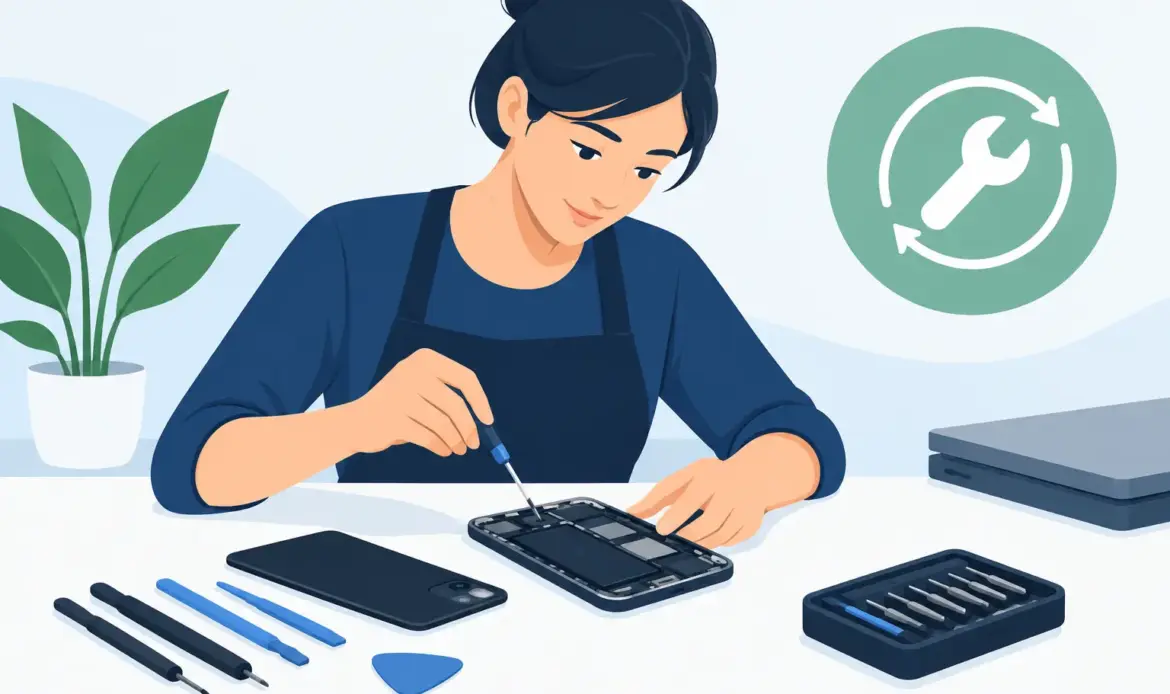
A cracked phone screen is not a life sentence. Neither is a laptop that will not charge, a tablet with a worn-out battery, or a game console that suddenly will not power on. The right to repair is about giving you a fair shot at fixing the technology you already own instead of being pushed toward an expensive replacement.
For families, students, professionals, and gamers across Metro Detroit, this issue is personal. Your phone holds your contacts, work messages, photos, banking apps, and directions home. Your computer may be your office or classroom. When it fails, you need clear options, honest answers, and a skilled set of hands ready to rescue it.
What Does Right to Repair Mean?
At its core, right to repair is the idea that people and independent repair professionals should have reasonable access to the parts, tools, diagnostic information, and software support needed to fix devices. It is not a demand for anyone to perform risky repairs without training. It is a call for more repair choices when your technology breaks down.
For years, many device owners have run into familiar roadblocks. A manufacturer may limit access to replacement parts, keep repair manuals private, pair certain components to specific devices, or direct customers toward full-device replacement. Those restrictions can make a repair slower, more expensive, or unavailable through a local shop.
Right to repair policies aim to change that balance. When repair resources are available, independent technicians can diagnose issues more accurately and perform more kinds of repairs. Consumers can compare options instead of hearing only one answer: buy another device.
Why Repair Choice Matters When Life Is on Your Phone
A device failure rarely happens at a convenient time. It happens before a work shift, during finals week, on a family trip, or just as you need to make an important call. Replacing a device can be fast, but it can also mean a large upfront cost, a long data transfer, and the worry that your files did not make the trip.
Repair often makes more sense. A screen replacement can restore a phone that is otherwise working perfectly. A battery replacement can give an aging device a useful second life. A charging port repair may solve the problem without replacing the entire phone. On laptops and desktops, a failed charging circuit, damaged connector, or board-level defect may be repairable with the right diagnosis and micro-soldering expertise.
That does not mean every device should be repaired. If the repair cost is close to the value of a replacement, the device is extremely outdated, or multiple major components have failed, replacement may be the smarter move. A trustworthy repair professional should explain that trade-off plainly. The goal is not to sell a repair at all costs. The goal is to help you make the best call for your device and budget.
The Right to Repair Does Not Mean DIY Is Always the Answer
Online repair videos can make a screen swap look like a 10-minute project. Sometimes a simple repair is manageable for an experienced DIY owner with the proper tools. Often, though, there is more happening beneath the surface.
Modern phones, tablets, laptops, and consoles are tightly packed. Their batteries can be delicate, cables can tear easily, and tiny screws are not interchangeable. Water damage may corrode components long after the initial spill. A device that appears to have a bad battery might actually have a charging problem on the motherboard.
That is where professional diagnosis matters. Certified technicians can identify whether the failure is cosmetic, mechanical, electrical, or software-related before replacing parts unnecessarily. For advanced issues, component-level micro-soldering can sometimes save devices that would otherwise be written off.
DIY repair also comes with a privacy question. Your device may contain personal photos, work documents, passwords, and financial information. Before handing a device to anyone, use a reputable local repair provider, ask how customer data is handled, and back up your information when possible. If your phone still turns on, remove sensitive data only if doing so will not interfere with the diagnosis you need.
What Repair Access Can Change for Consumers
The biggest win from right to repair is choice. You may be able to choose between a manufacturer service center, an independent repair business, a mail-in provider, or a DIY solution. Each path has strengths.
Manufacturer repair can be a solid option for newer devices, warranty situations, or repairs involving proprietary components. Independent repair can be more convenient for common issues, offer faster local turnaround, and provide service for a wider mix of brands and older devices. A skilled repair shop may also handle categories that a single manufacturer will not, including phones, tablets, computers, gaming consoles, and board-level damage.
More choices can also create price pressure. When only one repair channel is available, customers have little room to compare cost or turnaround time. When qualified repair providers can access reliable parts and accurate information, customers have a better chance of finding a repair plan that works.
There is an environmental benefit, too. Keeping a phone, tablet, computer, or console in service reduces the need to replace it before its time. Electronics contain valuable materials, but they also create waste when they are discarded. Repair is not just about saving money on one broken screen. It is about getting the full useful life from technology that required energy and resources to build.
Warranties, Parts, and the Fine Print
One common concern is whether a repair will automatically void a warranty. The answer depends on the manufacturer, the device, the warranty terms, and what caused the problem. In general, having a device repaired does not automatically erase every warranty right. But damage caused by an unauthorized modification or by the repair itself may affect coverage for related issues.
This is why it pays to ask questions before work begins. Is the device still under a manufacturer warranty or protection plan? Is the repair related to accidental damage, normal wear, or an existing defect? What type of replacement part will be used? Does the repair shop stand behind its workmanship?
Part quality matters just as much as access to parts. The lowest price is not always the best value if it comes with a weak screen, poor battery performance, unreliable charging, or no warranty support. Quality replacement parts and careful installation protect the device you rely on every day.
How to Make a Smart Repair Decision
When your device needs help, start with the symptoms. Does it have a cracked screen but work normally? Does it drain battery unusually fast? Does it only charge at a certain angle? Did it stop working after a drop or water exposure? Specific details help a technician diagnose the issue faster.
Before you approve a repair, ask for a clear quote, expected turnaround time, and an explanation of what is being repaired. Ask whether the issue can be fully tested after the repair and whether there is a warranty on parts and labor. If a shop cannot explain the problem in plain language, that is a warning sign.
For water damage, time matters. Turn the device off if possible, do not keep trying to charge it, and avoid heat tricks that can make internal damage worse. Bring it in for professional inspection quickly. For swollen batteries, stop using the device and seek help right away. Those are not repairs to put off.
A Better Future for the Devices We Depend On
Right to repair is not about making technology less advanced. It is about making ownership more practical. You should have a reasonable path to restore the phone that keeps your family connected, the laptop that keeps your work moving, or the console that brings everyone together after a long day.
At Phone-Medics, we believe a damaged device deserves a careful diagnosis before it gets replaced. From screens and batteries to charging failures and precision micro-soldering, the right repair can bring important technology back to life. When your device is down, ask what can be saved – you may have more options than you think.